Immunity
Iron and Immunity: Strengthen Your Defenses Naturally
Iron is essential for more than just energy and vitality—it also plays a crucial role in supporting your immune system. A strong immune system is your body’s natural defense against infections and diseases, and iron helps ensure it functions at its best.
Why is Iron Vital for Your Immune System?
Iron is involved in numerous processes within your body that support immune health. It helps produce red blood cells that carry oxygen to tissues, but it also supports the function of white blood cells, which are essential for fighting off infections.
Here’s how iron boosts your immune function:
Supports White Blood Cells: Iron plays a key role in the production and activity of white blood cells (WBCs), which are responsible for protecting your body against infections. Low iron levels can impair the body’s ability to produce these important immune cells, making it harder to fight off illness.
Strengthens the Immune Response: Iron helps your body produce the proteins and enzymes needed to mount an effective immune response. This includes promoting the production of antibodies and other molecules that help fight off pathogens like bacteria and viruses.
Prevents Iron Deficiency Anemia: When you don’t have enough iron, your body can become anemic, which weakens the immune system and leaves you more susceptible to infections.
Iron Deficiency and Weakened Immunity
Iron deficiency can lead to iron deficiency anemia, a condition in which your body doesn’t have enough healthy red blood cells to carry oxygen to your tissues. Anemia often leads to feelings of fatigue, weakness, and a weakened immune system.
When your immune function is compromised, you may experience:
- Frequent infections or illnesses
- Longer recovery times from illness
- Slower healing of wounds
If you’ve been feeling more tired than usual or catching colds more often, iron deficiency could be a contributing factor.
How to Boost Iron Levels for a Stronger Immune System?
To ensure your immune system has the iron it needs, it’s essential to include iron-rich foods in your diet.
Iron-Rich Foods
for Immune Support:

Animal-Based:
Beef, lamb, chicken, turkey, and fish are all excellent sources of easily absorbed iron.

Plant-Based:
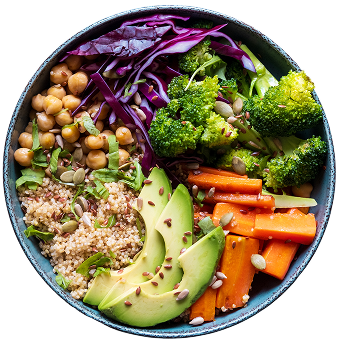
Spinach, kale, lentils, beans, quinoa, tofu, and fortified cereals are great choices for vegetarians and vegans.

Vitamin C-Rich Foods:
Pairing iron-rich foods with foods high in vitamin C (like citrus fruits, strawberries, bell peppers, and broccoli) enhances iron absorption, which is particularly important for plant-based iron sources.
Maintaining Iron Balance for Optimal Immunity
While getting enough iron is crucial for immune function, it’s also important to avoid excess iron, which can lead to toxicity. Iron overload can impair immune function and lead to other health issues. It’s important to work with your healthcare provider to find the right balance of iron through diet or supplements.
Iron, Immunity, and Your Well-Being
Iron is one of the most important nutrients for maintaining a strong, healthy immune system. When your iron levels are optimized, your body is better equipped to fight off infections, recover more quickly, and maintain overall health. By including iron-rich foods in your daily diet and addressing any deficiencies, you can strengthen your defenses and support your overall wellness.
Iron Supplements and Immunity
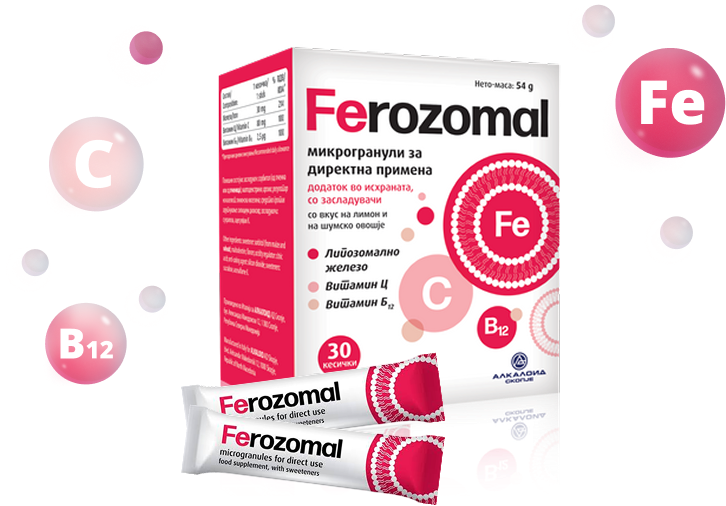
In some cases, it may be difficult to meet your iron needs through food alone, especially for those with higher iron requirements due to pregnancy, heavy menstrual cycles, or certain medical conditions. Ferozomal can help boost your levels and ensure that your immune system remains strong. Always consult with your healthcare provider before taking supplements to determine the appropriate dosage for your needs.
Where can I buy
Ferozomal?
FEROZOMAL is a dietary supplement in the form of sachets with microgranules for direct use, with a pleasant lemon and forest fruit flavor. Provides a daily supply of iron to meet the increased needs of the body, for example in women of reproductive age, pregnant women, athletes and recreational athletes.