Pregnancy
Iron and Pregnancy: Essential for You and Your Baby
Iron is one of the most important nutrients for women during pregnancy. It plays a vital role in ensuring both maternal health and fetal development. When you’re pregnant, your iron needs increase significantly to support the growing baby and your body’s increased blood volume. Here’s everything you need to know about iron during pregnancy:
Why Is Iron Important During Pregnancy?
Iron is crucial for forming hemoglobin, the protein in red blood cells that carries oxygen throughout your body. During pregnancy, your blood volume increases to support the growing fetus, and you need more iron to produce additional blood. Iron also helps in the development of the baby’s brain and nervous system.
To summarize, in pregnancy increased iron needs arise because of:
Increased Blood Volume:
As your blood volume increases to nourish both you and your baby, you need more iron to produce hemoglobin.
Fetal Development:
Your baby’s growing tissues and organs, including the brain, need iron for development.
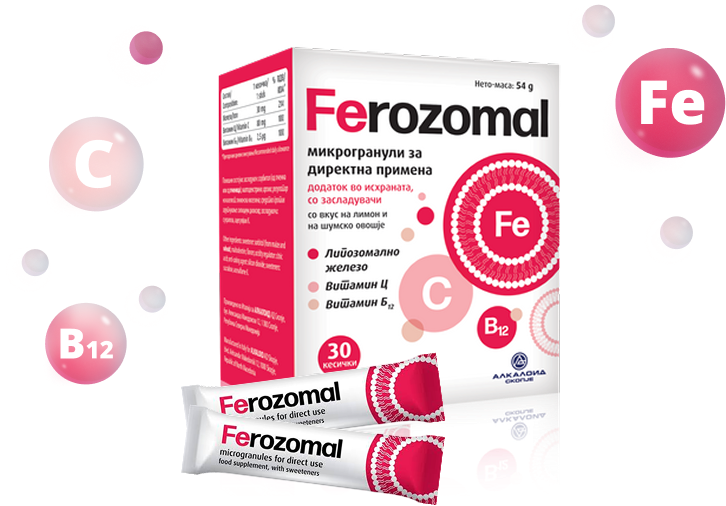
Ferozomal also helps prevent iron deficiency anemia, a condition where you don’t have enough healthy red blood cells to carry adequate oxygen to your body’s tissues.
Iron Deficiency and Its Risks During Pregnancy
Iron deficiency during pregnancy can have consequences for both the mother and baby:
For the Mother: Iron deficiency can lead to fatigue, weakness, dizziness, and complications during delivery, such as excessive blood loss.
For the Baby: Insufficient iron may lead to preterm birth, low birth weight, and developmental delays. It can also increase the risk of the baby being born with low iron stores.
Signs of Iron Deficiency in Pregnancy
It’s important to monitor for signs of iron deficiency during pregnancy, as it can go unnoticed without symptoms:
- Extreme fatigue
- Pale skin or pale conjunctiva (the inner eyelids)
- Shortness of breath or dizziness
- Heart palpitations
- Weakness or inability to perform regular tasks
How Much Iron Do You Need During Pregnancy?
The recommended dietary allowance (RDA) for iron during pregnancy is 27 mg per day. This is higher than the standard 18 mg per day recommended for non-pregnant women due to the increased iron requirements
Iron-Rich Foods to Include
in Your Pregnancy Diet
To meet your iron needs during pregnancy, focus on eating a variety of iron-rich foods:

Red meat
Beef, lamb, and pork are rich in iron, which is easily absorbed by the body.

Fish and Seafood
Oily fish such as salmon and sardines are also rich in iron and provide omega-3 fatty acids for baby’s brain development.

Poultry
Chicken and turkey are also good sources of iron.

Leafy greens
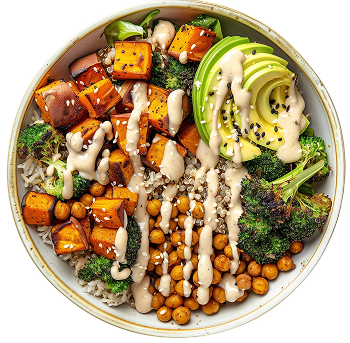
Spinach, kale, provide plant-based iron.

Legumes
Beans, lentils, and chickpeas are excellent sources of iron.

Fortified cereals and grains
Many breakfast cereals are fortified with iron.

Nuts and Seeds
Almonds, and pumpkin seeds are great snacks that help boost iron levels.
Tips for Improving Iron Absorption
Pair Iron with Vitamin C: Vitamin C enhances the absorption of non-heme iron (the type found in plant-based foods). Try pairing iron-rich foods with citrus fruits, strawberries, tomatoes, or bell peppers.
Avoid Iron Inhibitors: Some foods and drinks, such as coffee, tea, and calcium-rich foods, can inhibit iron absorption. It’s best to avoid consuming them with iron-rich meals.
Iron from Animal Sources: Heme iron from animal products is absorbed more efficiently than non-heme iron, so including animal-based sources of iron in your diet can be helpful during pregnancy.
Supplements During Pregnancy
During pregnancy, blood volume increases by up to 50%, creating an increased need for iron. In fact, it is estimated that 40% of pregnant women have low iron levels, which can cause tiredness, fatigue, lack of energy, and poor concentration.
Pregnancy is a time of increased nutritional needs, making it essential to support both maternal health and fetal development. Sometimes, it can be difficult to meet your increased iron needs through diet alone. In such cases, your doctor may recommend iron supplements. Combining Ferozomal with PreMama Duo ensures a well-rounded intake of essential vitamins and minerals, particularly iron, folic acid, and omega-3 fatty acids.
Why Combine Ferozomal with Premama Duo?
Optimal Iron Absorption – Ferozomal is a highly bioavailable liposomal iron supplement that helps prevent and treat mild iron deficiency, a common concern during pregnancy. It supports red blood cell production and reduces the risk of anemia, fatigue, and dizziness.
Comprehensive Prenatal Support – PreMama Duo provides essential nutrients like folic acid (for neural tube development), DHA (for brain and eye development), and other key vitamins and minerals crucial for a healthy pregnancy.
Reduced Side Effects – Traditional iron supplements can cause digestive discomfort. Ferozomal’s liposomal formulation minimizes side effects like constipation, nausea, and stomach irritation, making it a gentle choice for expectant mothers.
Synergistic Benefits – While PreMama Duo offers general prenatal nutrition, Ferozomal ensures adequate iron levels, complementing the prenatal formula for a complete approach to maternal well-being.
How to Use
Take Ferozomal as directed by your healthcare provider, preferably on an empty stomach for better absorption.
Take PreMama Duo with a meal to maximize nutrient uptake.
Avoid taking iron with calcium-rich foods or supplements, as calcium can interfere with iron absorption.
Every pregnancy is unique. Before combining supplements, consult your healthcare provider to ensure the right balance of nutrients for your specific needs.
Support your pregnancy with Ferozomal and PreMama Duo – a powerful combination for a healthier, stronger you and your baby.
Where can I buy
Ferozomal?
FEROZOMAL is a dietary supplement in the form of sachets with microgranules for direct use, with a pleasant lemon and forest fruit flavor. Provides a daily supply of iron to meet the increased needs of the body, for example in women of reproductive age, pregnant women, athletes and recreational athletes.